
EPA Administrator Zeldin Discusses Governing by Loper Bright’s “Single Best Reading”
By
| June 18, 2026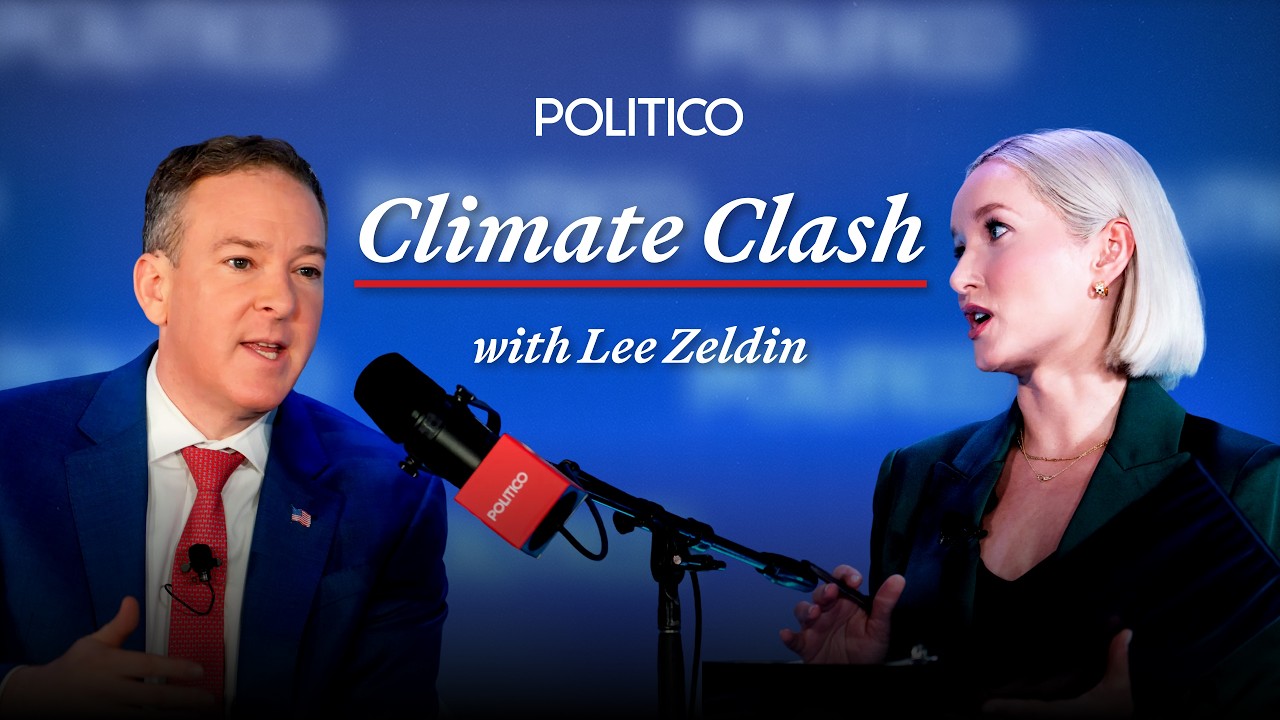
In a recent Politico interview, when asked about a “fundamental shift” in the focus of the Environmental Protection Agency under his tenure, Administrator Lee Zeldin highlighted how the Supreme Court’s decision in Loper Bright Enterprises v. Raimondo is paramount to his decision-making.
Throughout the conversation, Zeldin returned to one principle: Congress makes the law, while he—as agency head—follows the single “best reading of that statute.” Specifically, Zeldin rejected the notion that he can claim “more expansive, creative, powers than what [a] statute says.” For him, Loper Bright is not just a choice but instead the framework for agency action. It is his job description:

Zeldin also made an important point on what Loper Bright does. Contrary to those who have fearmongered about the end of Chevron deference, especially for ostensibly “expert” or “scientific” regulators, the Supreme Court’s decision actually brings stability to regulation. Agency heads change from administration to administration, with the incentives and actions of agencies changing with them. Ending judicial deference means the same rules bind any administration by fixing the text to one meaning. Regardless of who controls the administrative state, it is good that consistent rules bind their actions to principle.
Unfortunately, the very legislative body that should be interested in upholding and creating these statutory standards still seems incentivized to offshore that powers to agencies. Earlier this year in an EPA appropriations hearing, Rep. Rosa DeLauro proved the point, demanding the agency regulate greenhouse gases. When pressed on the issue, she revealed she had no knowledge of what Loper Bright was. Thankfully, Zeldin challenged DeLauro and other members of Congress to read what they write so he can implement the law.
The solution to these problems is rather simple and has its roots in the Constitution. It is Congress’s job to write the law, not the heads of the three-letter agencies. If Congress wants the EPA to regulate greenhouse-gas emissions, it needs to expressly delegate that authority to the agency and answer to the electorate for doing so. It is telling that members of Congress fear doing this. It is better politically to just call your friend at the agency and have them make the law instead. Under Chevron, political accountability was severed, and congressional abdication ensued. Loper Bright has helped restore the rule of law by making legislators responsible again.
Liam Childers is a policy associate at Americans for Prosperity.